
Understanding settlement
When the ground can no longer support your home
Changes in soil, groundwater, drainage, nearby construction or the foundation itself can lead to settlement. When one part of the house sinks more than another — differential settlement — cracks, distortion and misalignment follow.
Stabilization starts with finding the cause and the extent of movement, before choosing a support system.
The right solution begins below the foundation.
Warning signs of settlement
- Stair-step cracks in brick or masonry
- Diagonal cracks at windows and doors
- Uneven or sloping floors
- Doors and windows that stick
- Gaps between walls, ceilings or trim
- Cracks in the foundation walls
These signs don’t always mean active settlement — a professional evaluation finds the real cause.
Our stabilization system
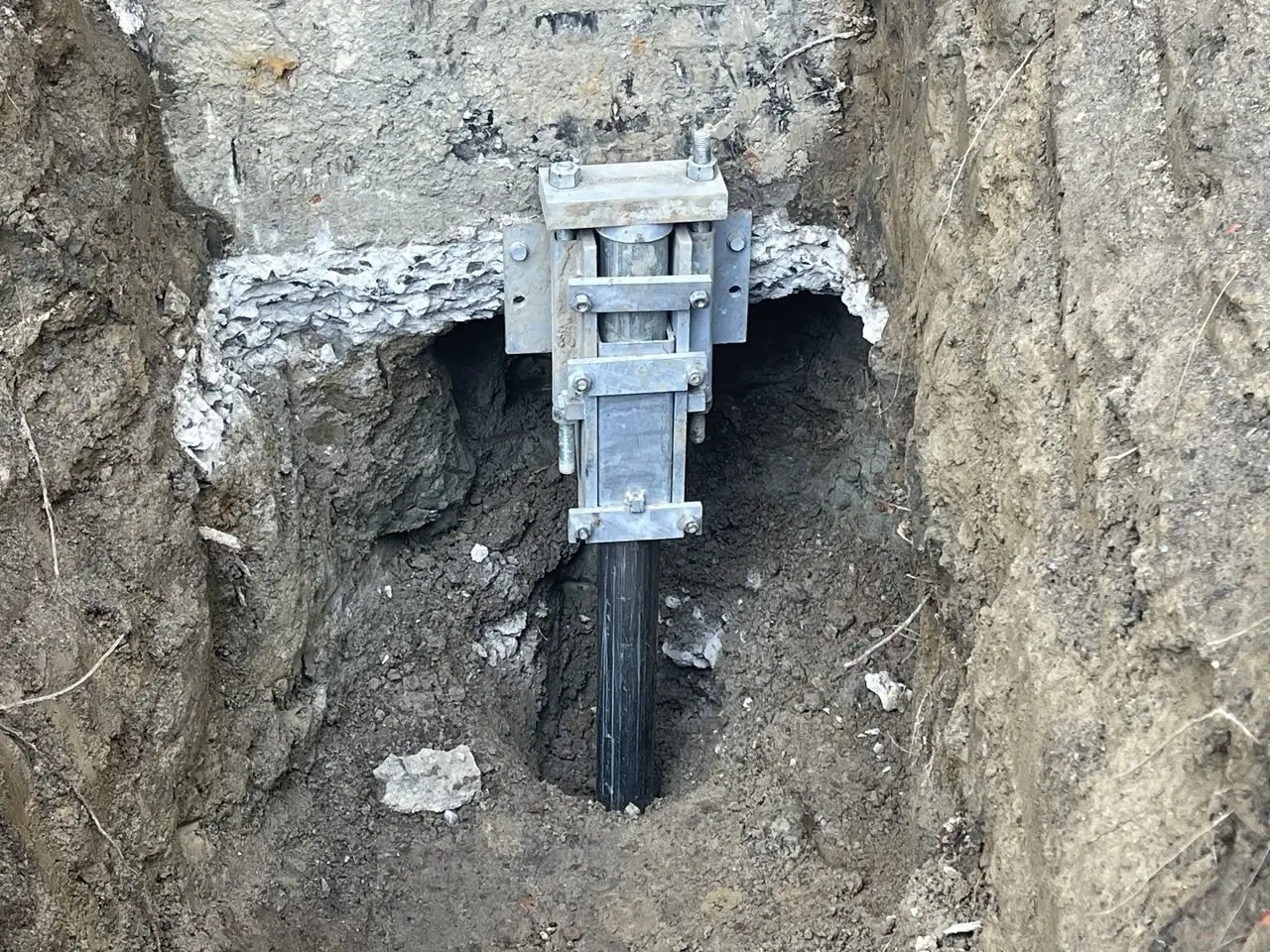
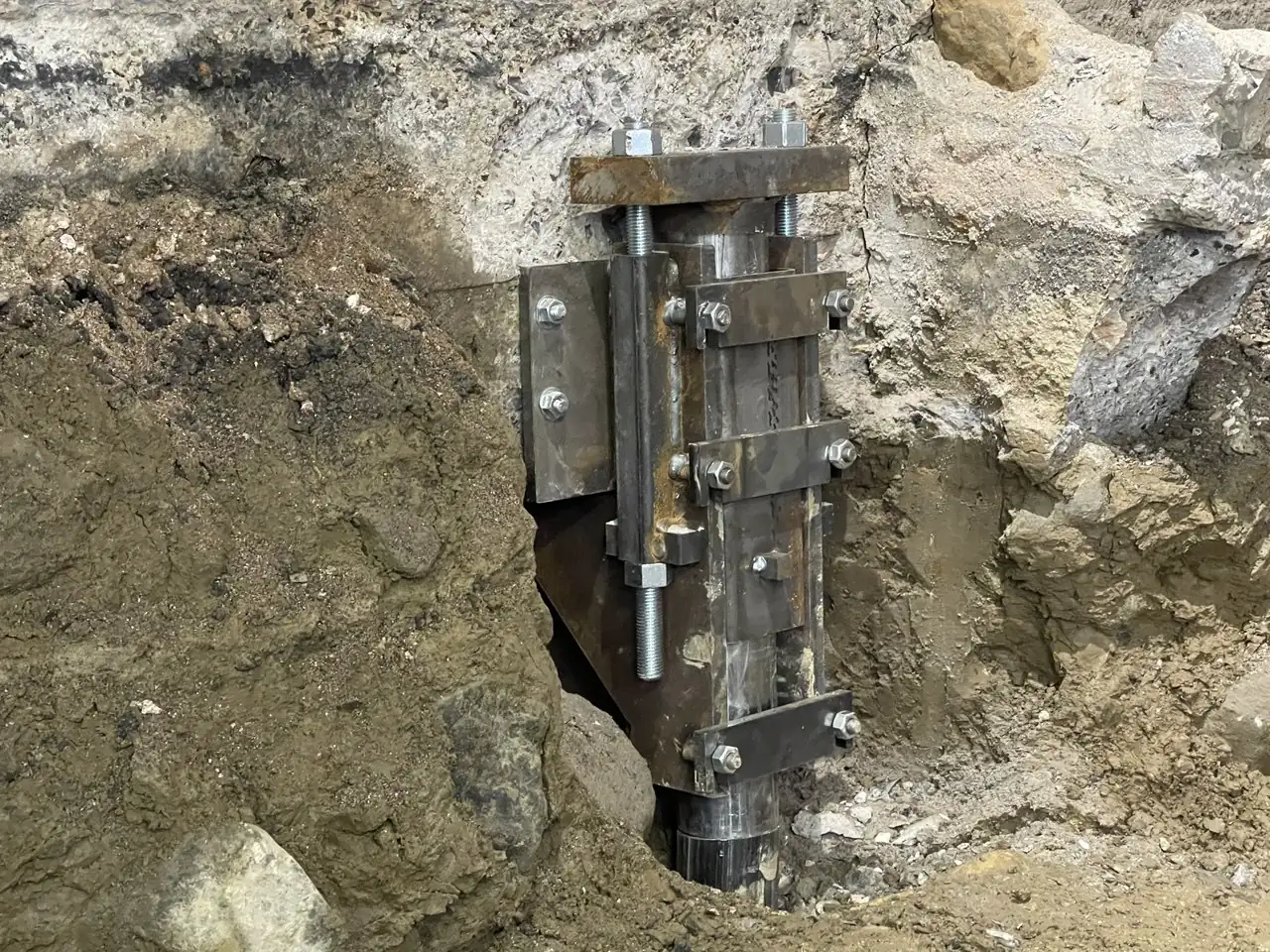
Push pier foundation stabilization
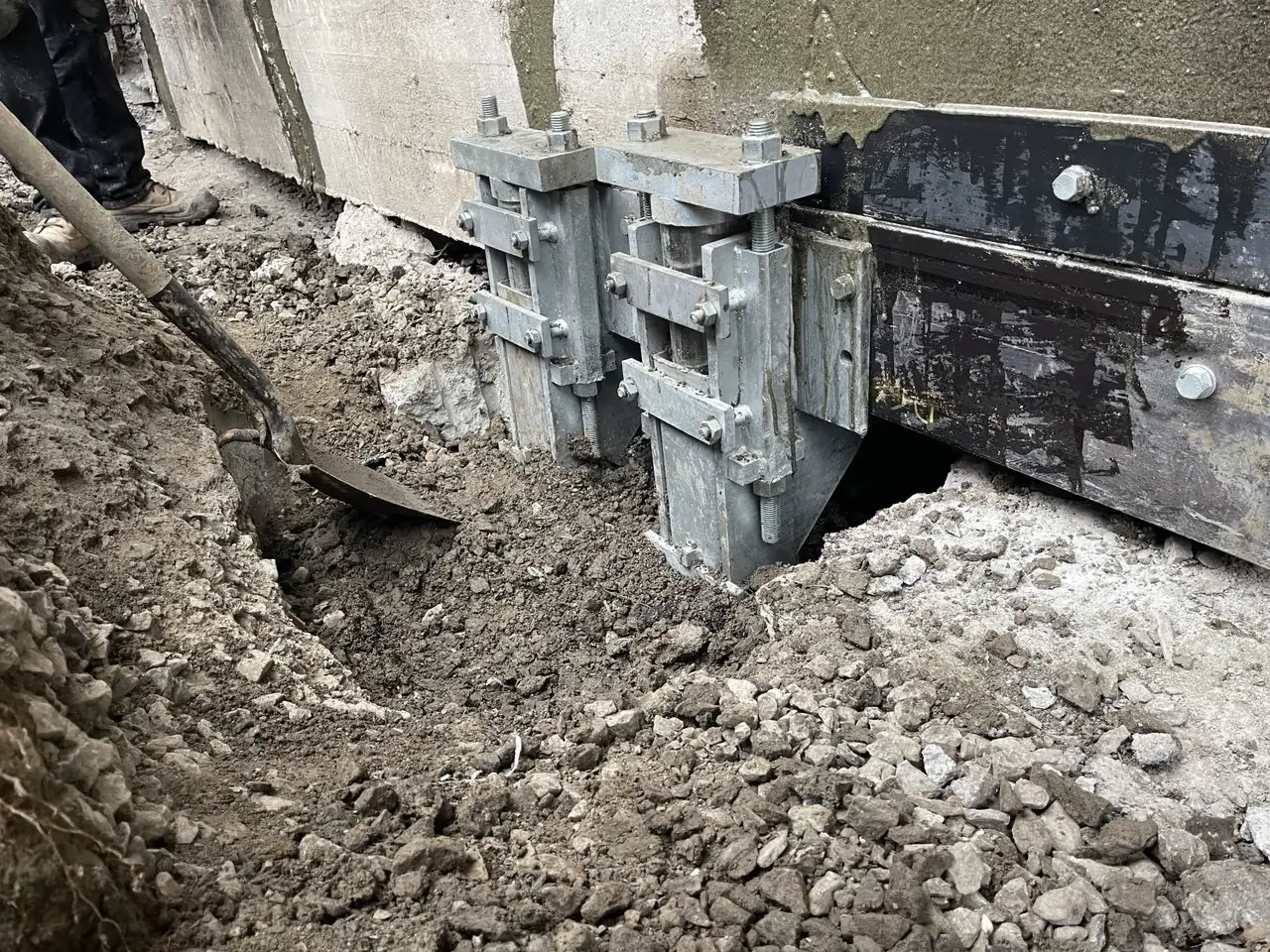
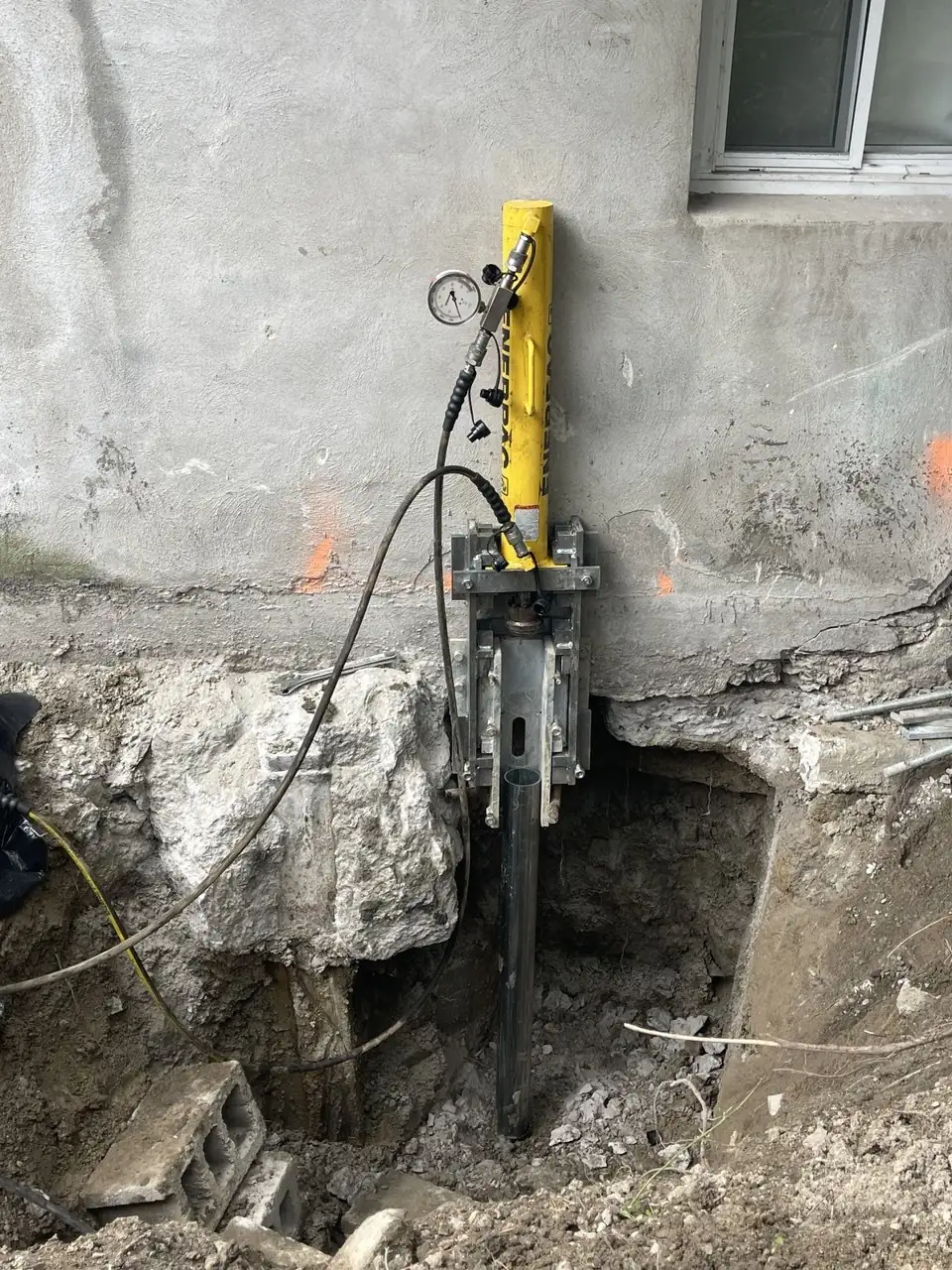
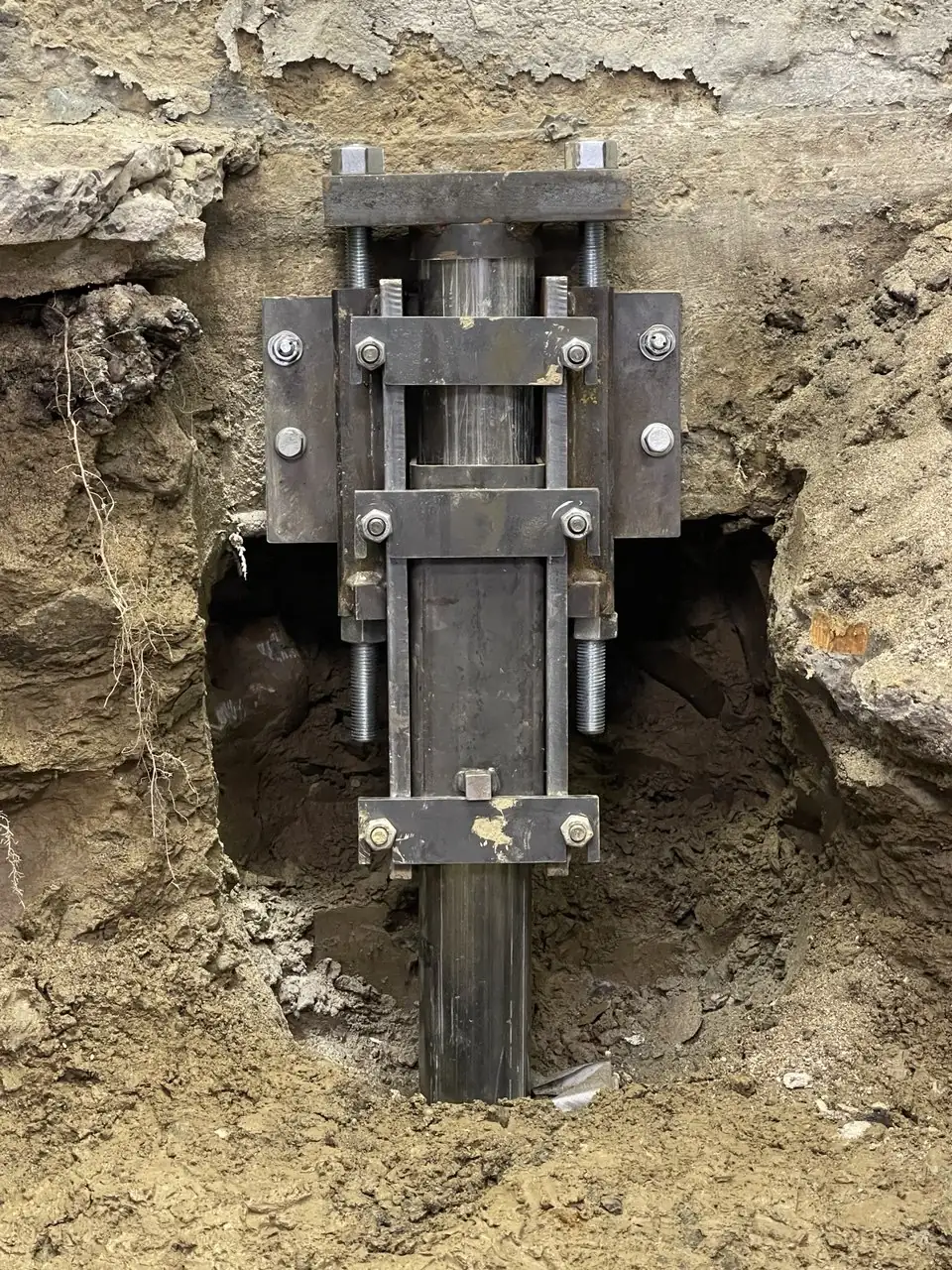
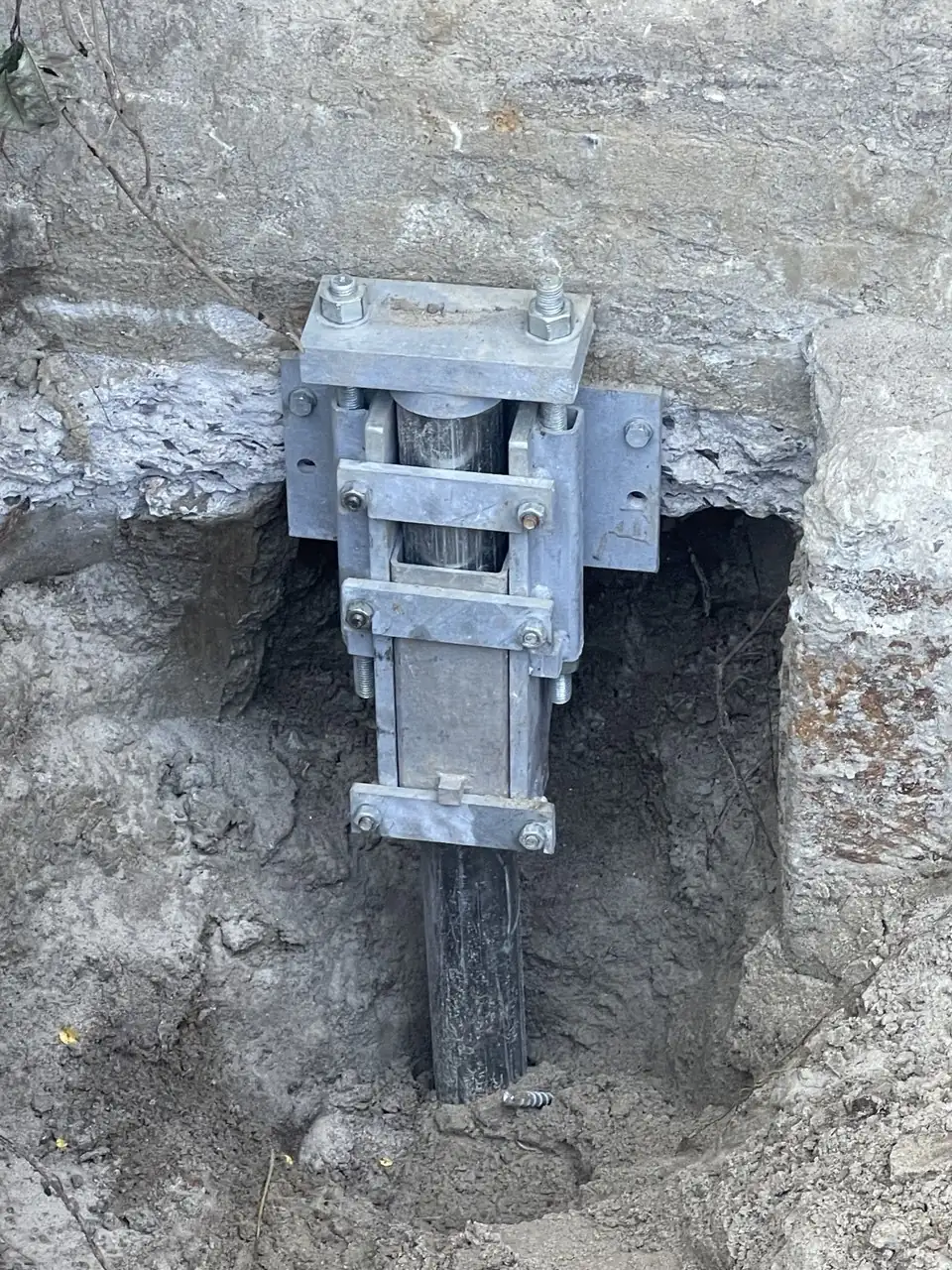
Steel push piers
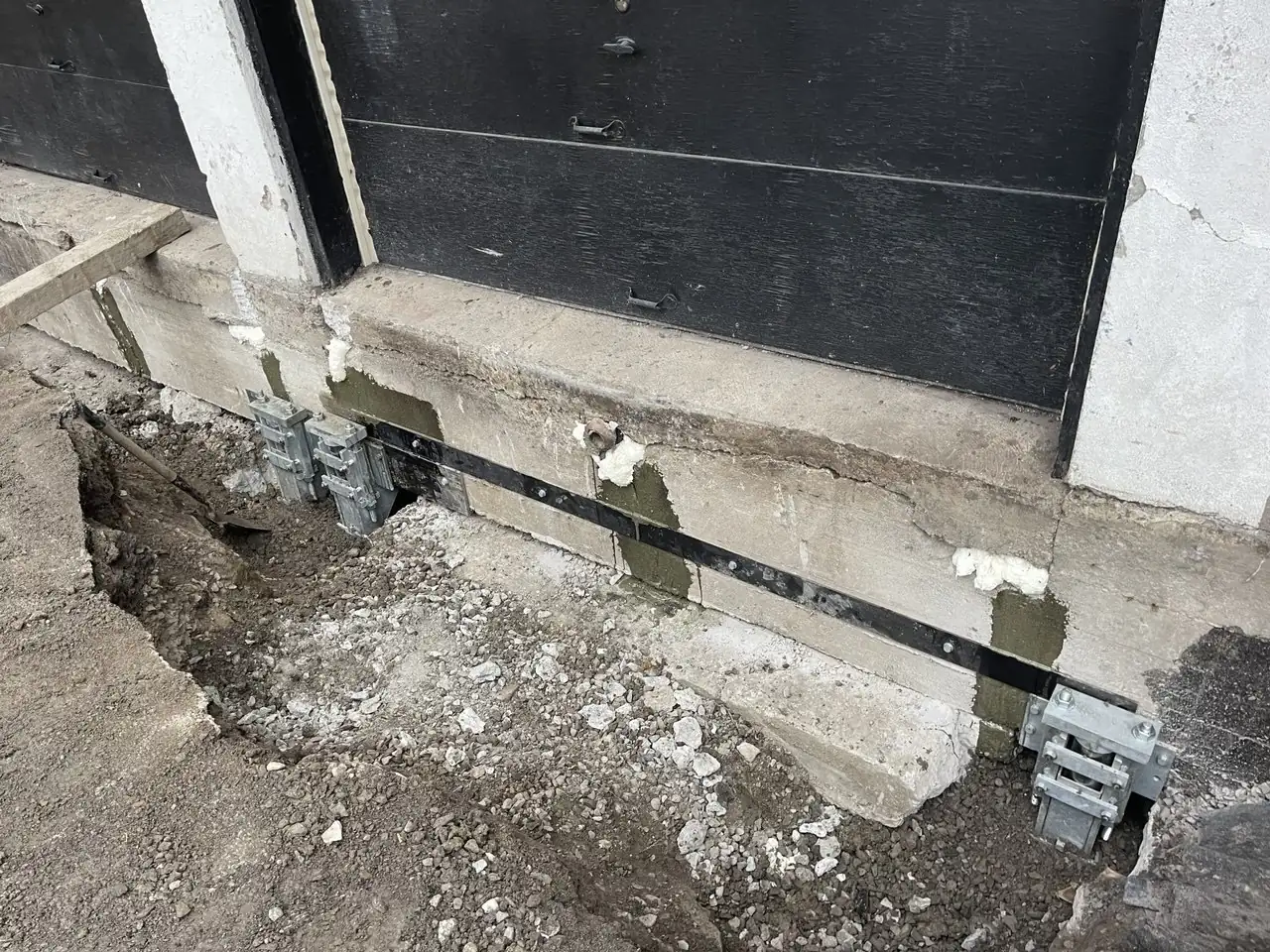
Hydraulic equipment drives steel piers to competent load-bearing soil. Each pier is connected to the foundation with engineered brackets and the load is transferred — in selected projects, with a controlled lift.
Stabilizing vs. lifting
Many projects aim to support the house and stop further movement. A lift is possible only when the structure, the settlement and the risk of new damage allow it. Related — but not the same.
How we work
Our foundation stabilization process
- 01Foundation assessmentSigns of movement, condition, access; studies needed.
- 02Engineering & designStructural and, where needed, geotechnical evaluation; capacity, layout and connections.
- 03Site preparation & excavationAccess to the footings at each support location.
- 04Push pier installationTo the engineering and manufacturer’s specifications.
- 05Load transferFoundation connected; any permitted lift per the engineered procedure.
- 06Completion & documentationRestoration, installation records and inspection documents.
Older buildings
Stabilization for older Montreal homes
Aging concrete, stone masonry, shallow footings, past repairs and tight access. We design stabilization around the original construction, the load paths and the foundation’s real condition.
Not always replacement
Stabilization, replacement — or both?
When the walls are still sound, push piers give them the support they lack. When the foundation itself is badly deteriorated, repair, underpinning or wall replacement may also be needed — a structural assessment decides.
Restore support. Reinforce stability. Protect your property.
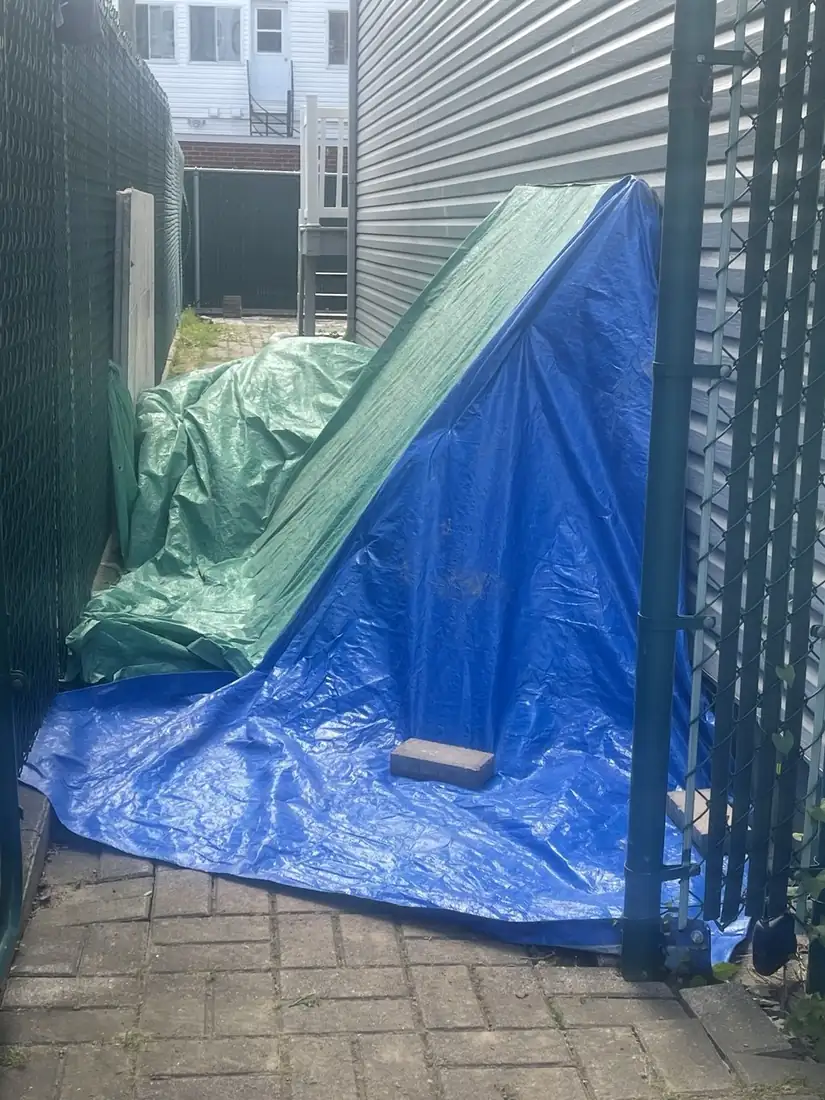
Respect for your property
We protect your yard — and your neighbour’s
- Plywood — on walkways and driveways before any machine moves in
- Tarps — on fences, walls and the neighbour’s side of the property
- Fenced excavation — the open trench is fenced off and kept safe every day
- Clean finish — we leave your yard tidy when the job is done
Why Delta
Why choose Delta Waterproofing
Stabilization cost in Montreal
Studies, number and capacity of piers, depth and bearing, access, excavation, connections, lift if any, engineering, permits and restoration. A reliable estimate needs an assessment and an engineering design.
Get the priceOn the job site
Recent projects
How do I know if my foundation is settling?
Sloping floors, stair-step and diagonal cracks, sticking doors — confirmed by a professional assessment.
Can settlement be stopped?
Engineered stabilization adds support and addresses many settlement conditions.
Can push piers lift my house back to level?
In selected projects; never guaranteed.
Does stabilization require excavation?
Usually some, at each support location.
Can push piers be used on older homes?
Often, after a careful evaluation of the foundation.
Does a settling foundation need replacement?
Not always — if the walls are sound, stabilization may be enough.
Is it covered by insurance?
It depends on the cause and your policy — check with your insurer.
Free on-site estimate
Worried your house is settling?
Send us photos of the cracks and sloping floors — or book a free on-site assessment.
RBQ 5762-6723-01 · $5M liability insurance